CLIMATE CHANGE, ADAPTATION, DISPOSSESSION AND DISPLACEMENT (CiCADD)

Co-Constructing Solution Pathways with Coastal Vulnerable Groups in Africa and Asia

Project Overview

This project addresses risks to low-lying coastal socio-ecological systems and the communities residing in them that might inadvertently result from climate change adaptation (CCA) strategies.
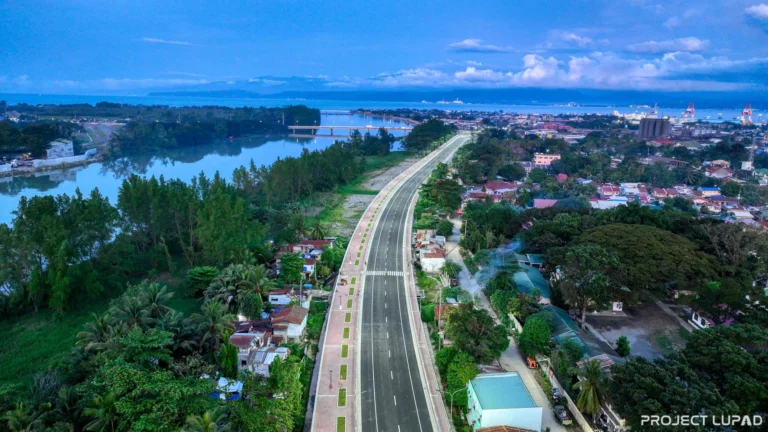
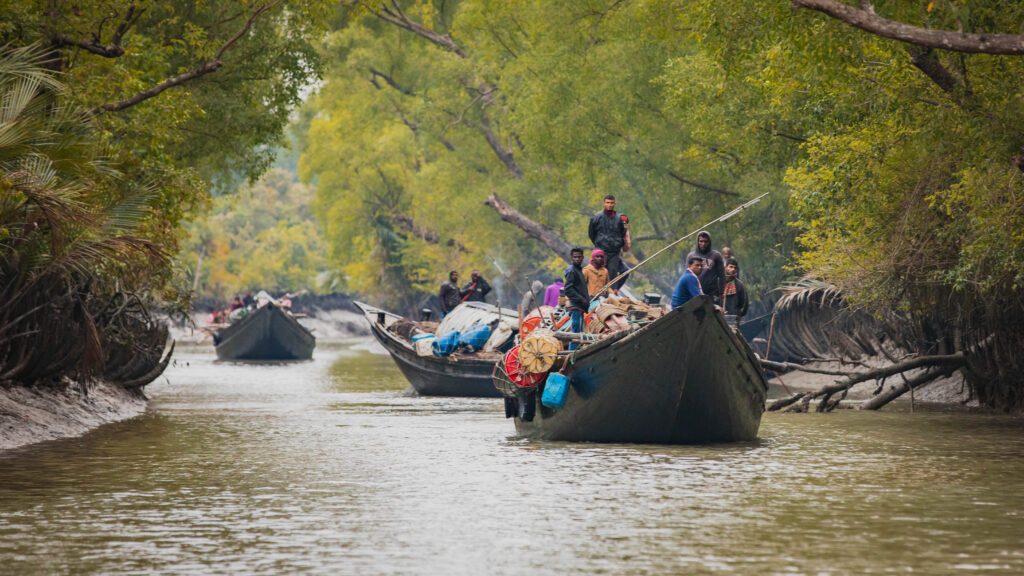
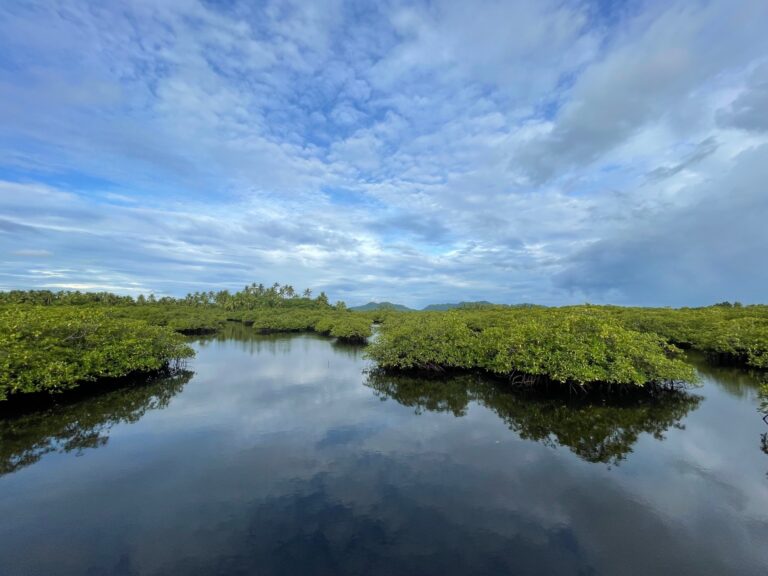
In particular, we are focusing on the impacts of CCA interventions, such as seawalls and embankments, on coastal fisher communities and local ecosystems in Ghana, the Philippines, and the Sundarbans region along the border of Bangladesh and India. The objectives are to:

1. connections between climate change adaptation (CCA), dispossession, and displacement within coastal communities.

2. Identify pathways to more inclusive CCA. Because one especially vulnerable group is landless women. 

3. Whether CCA programs contribute to gendered processes of dispossession.

Our Approach

Coastal fisher communities depend on access to waters and adjacent land, which can be disrupted by climate change adaptation (CCA) programs, potentially dispossessing the most vulnerable of their livelihoods, putting them at greater risk of displacement, and reinforcing their vulnerabilities to climate impacts. The challenges posed by CCA programs show how climate and societal changes occur simultaneously and must be tackled together. Drawing on theories on dispossession, displacement, eco-justice, and climate change adaptation, we will bring out novel connections between these different fields. To analyze the gendered dimensions of dispossession and highlight contextual and social vulnerabilities, we use an intersectional approach, highlighting the co-constitution of inequalities.
We are mapping existing CCA initiatives in each of the four regions of study and using historical and current GIS data to document physical changes. Analysis of global CCA research is being used to ask:

1. What are the unintended consequences of climate change adaptation interventions in the Sundarbans, Ghana, and the Philippines?

2. How do CCA programs contribute to gendered/intersectional processes of dispossession and displacement?

3. What intersectional factors can explain how adaptation practices, actions, and their outcomes emerge in each site? and

4. How do we assess or evaluate these consequences as displacement and dispossession?

Finally, we are using participatory ethnographic methods with selected communities in Ghana, India, and the Philippines to further explore these questions and co-construct inclusive solutions with vulnerable groups.

Our approaches develop three solution pathways:

1. novel interdisciplinary theories of CCA;

2. a mapping of CCA programs to identify risks of dispossession and guidelines for best practices;

3. The creation of a South-South coastal community network, using a low-tech platform, to share knowledge and create a coastal toolkit.

Our Locations

FEEDS